What would this cost a homeowner if both measures are approved?
The estimated increase would be approximately $38.08 per year for every $100,000 of a home’s market value—about $3.17 per month. A $500,000 home would pay approximately $190.40 more per year.
Colorado taxes a percentage of a home’s market value rather than taxing the full value directly. These estimates are based on the August 2026 assessment; actual impact depends on property classification, assessed value, and applicable state law.
Homeowners age 65 and older may qualify for Colorado’s Senior Property Tax Exemption. Contact the Garfield County Assessor to determine whether you qualify.
Why can’t the district provide staff raises from its existing budget?
Garfield Re-2 already directs approximately 80% of General Fund spending to employee salaries and benefits. Meaningful ongoing raises create an ongoing obligation and therefore require stable, recurring revenue.
Central administrative costs account for approximately 1.1% of district spending, placing Re-2 among the 30 lowest of Colorado’s 178 school districts in that category. 4A would provide dedicated, locally controlled revenue to help compensation better reflect neighboring districts and the local cost of living.
Would the Mill Levy Override revenue stay local?
Yes. MLO revenue is locally approved, locally collected, and controlled by Garfield Re-2’s locally elected Board of Education for the purposes identified in the ballot measure. Unlike state funding and federal grants, its level and permitted uses are not determined outside the district.
My property taxes just went up. Didn’t the school district get all of that additional money?
No. Higher property values or collections do not necessarily produce an equivalent increase in money available to Garfield Re-2. Colorado’s school-finance formula combines local property-tax revenue with state funding; generally, when the local share rises, the state share falls.
Tax bills can also change because of assessment rates, exemptions, valuations, and levies from other local governments. 4A is different because it is additional voter-approved revenue that stays with Garfield Re-2.
What projects are included in the Bond measure?
4B would fund projects focused on safety, career and technical education, early childhood education, and staff recruitment and retention:
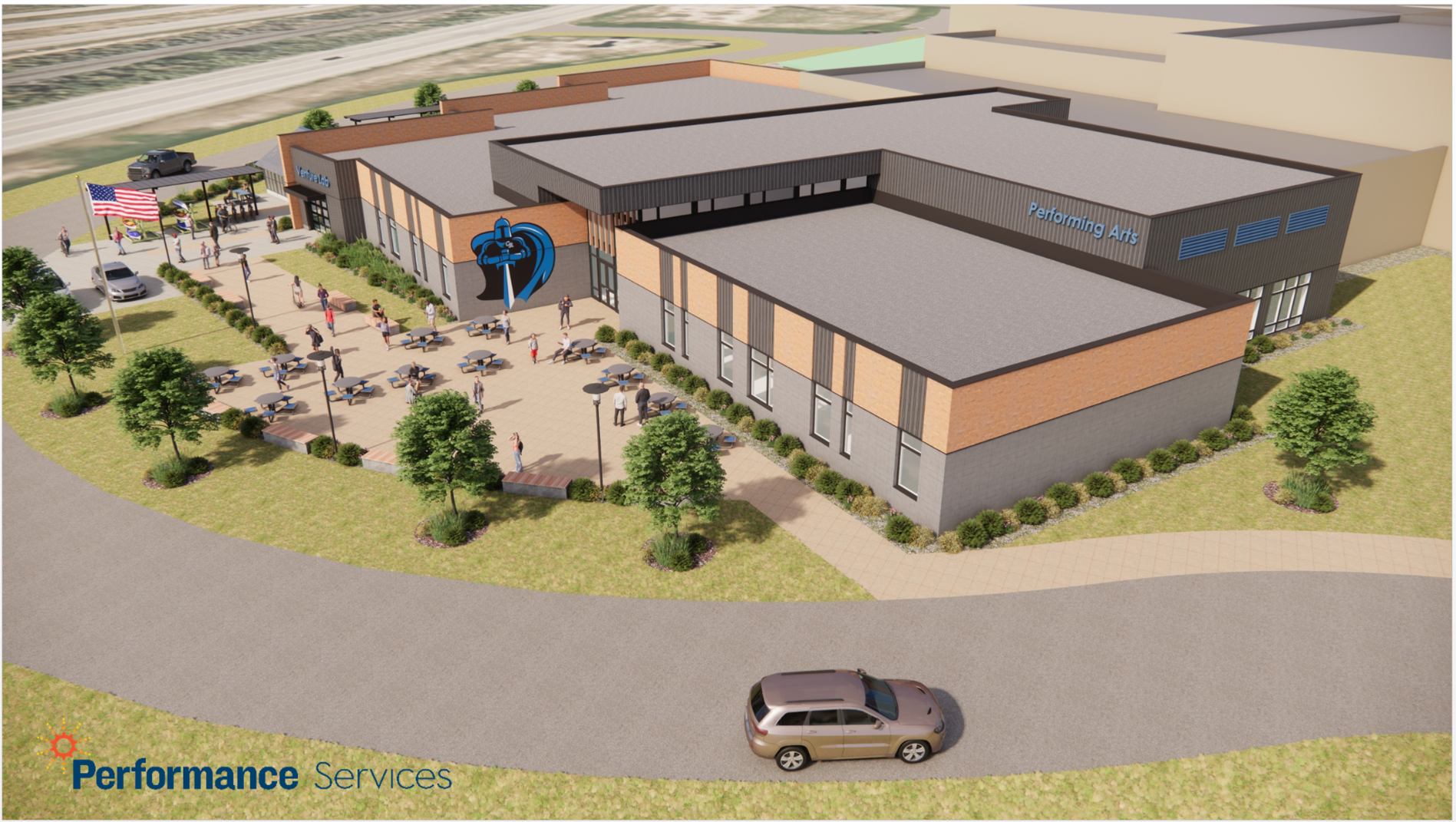
- A new access road and traffic-flow improvements at Rifle High School.
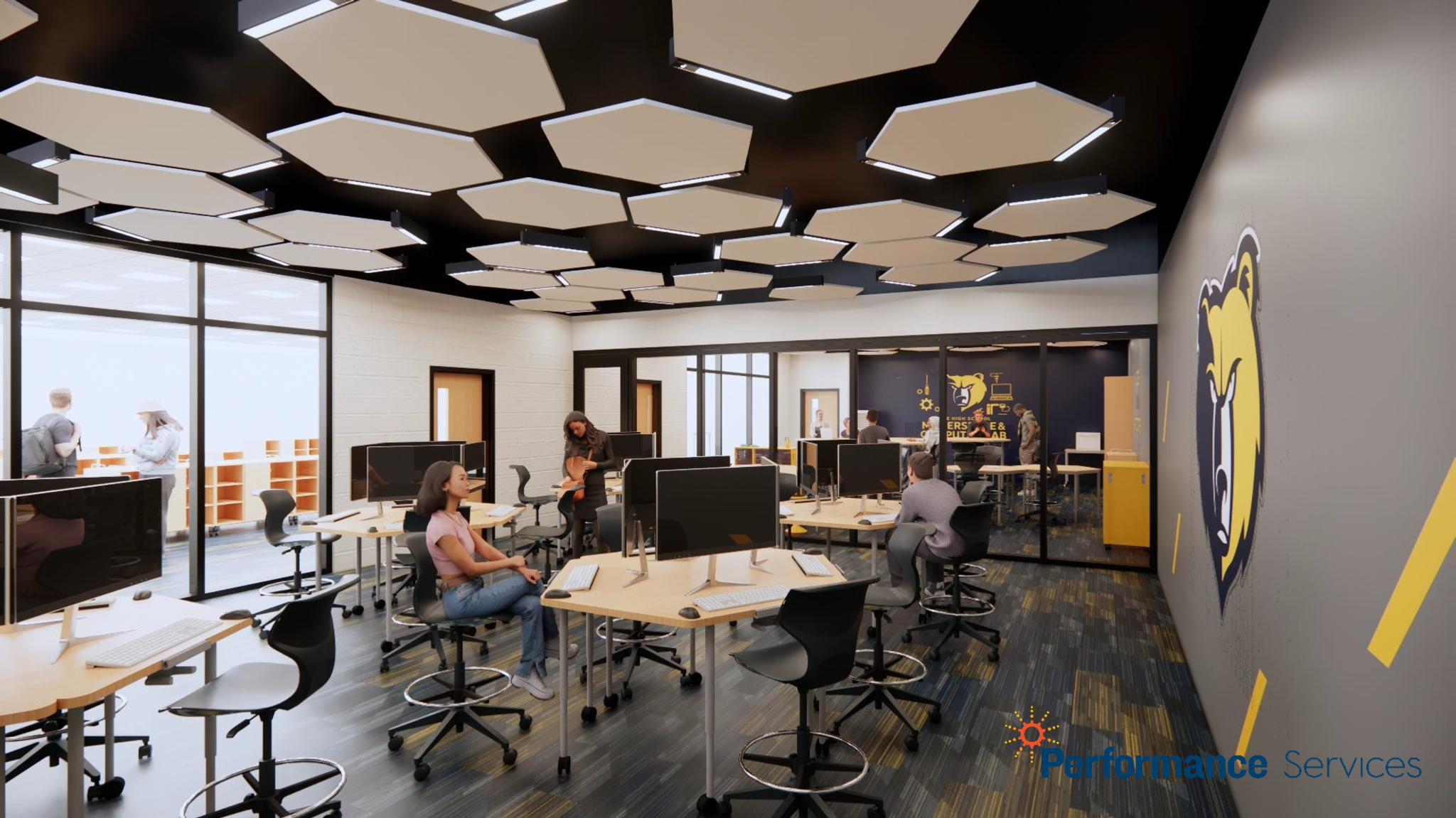
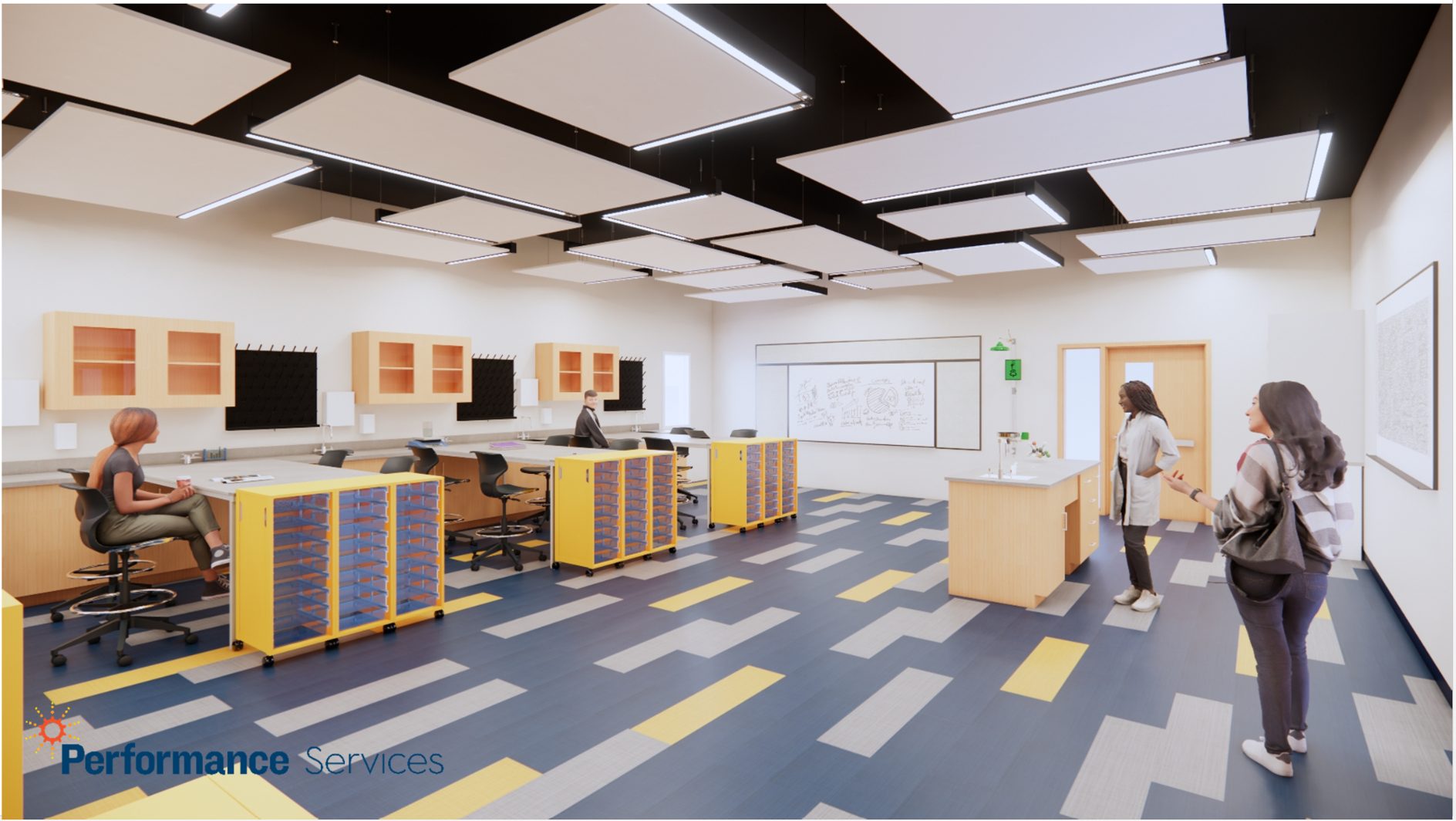
- Rifle High School science, STEM, and learning-space renovations.
- Coal Ridge High School career-pathway, weight-room, and multipurpose space.
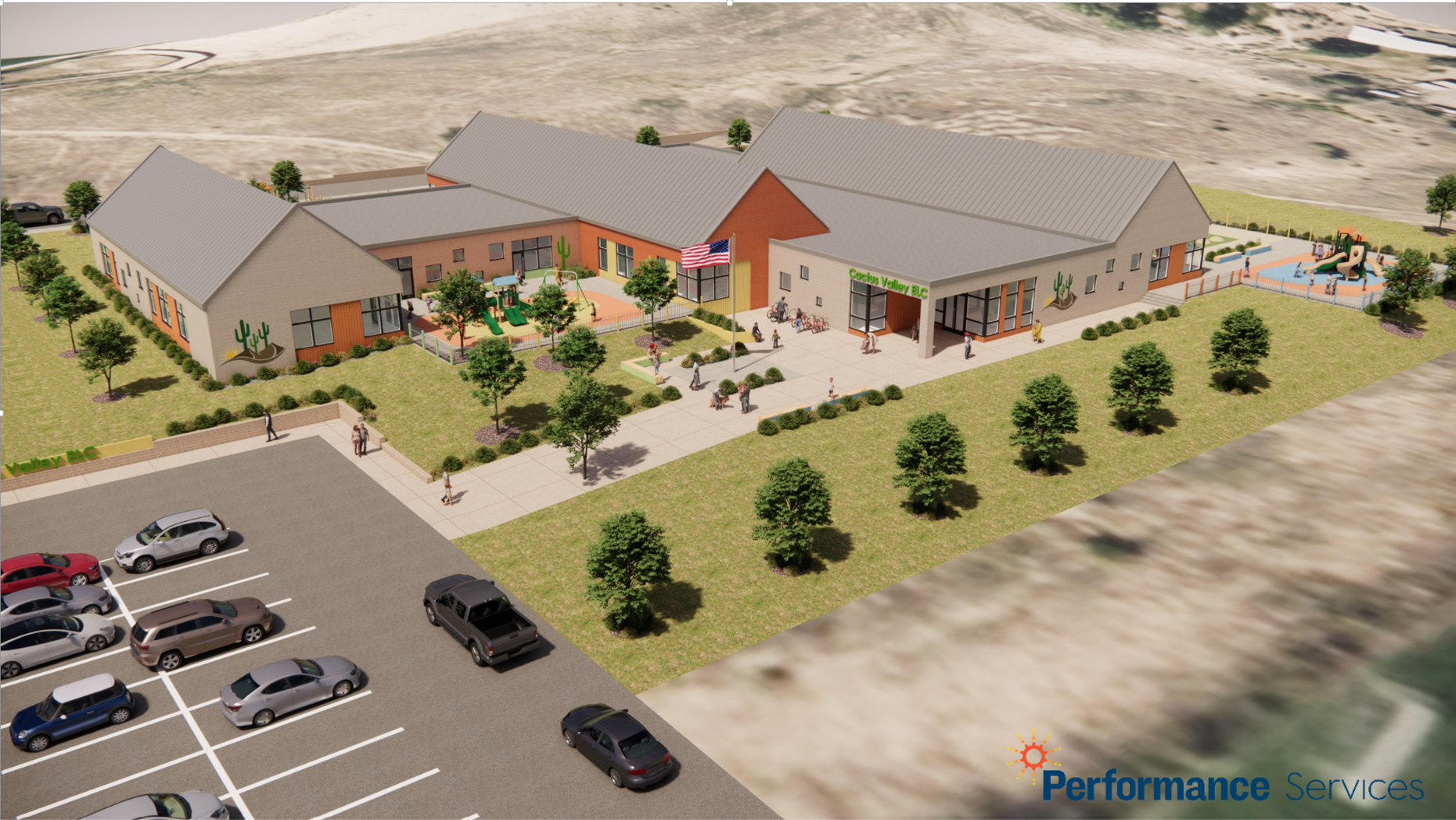
- A new Early Childhood Center serving approximately 150 children.
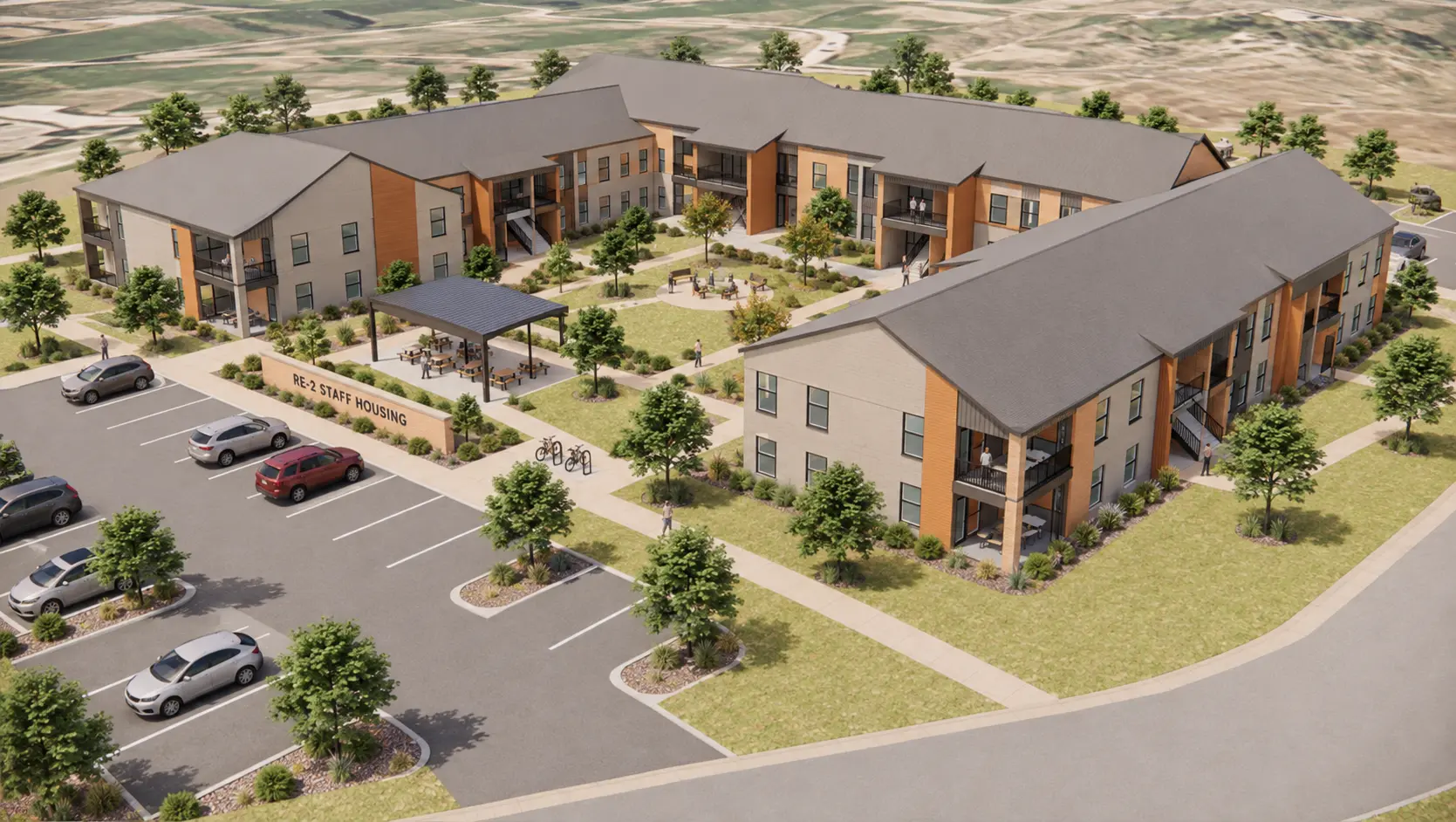
- Staff rental housing to support recruitment and retention.
Detailed designs and final scopes would proceed through public planning, procurement, and Board approval if voters approve the Bond.
Would the Bond increase the district’s current bond tax rate?
No. The Bond is structured as a reauthorization of the existing bond tax rate—not an increase. As debt from the bond approved in 2006 is paid off, 4B would use that retiring debt capacity to repay the new bonds. It continues the existing rate.
If approved, what is the timeline for implementation?
If 4A is approved, staff raises will be implemented as part of the 2026–2027 budget. If 4B is approved, projects will begin as soon as designs, permits, and contracts are approved—likely within the next 1–2 years.
Can Bond money be used for salaries?
No. Bond proceeds are restricted to the capital purposes identified in the ballot measure and cannot be transferred to salaries or routine operating expenses. That is why voters are considering two measures: 4A for ongoing staffing needs and 4B for long-term capital investments.
Why include staff housing instead of using that money for higher salaries?
The two measures address different parts of the staffing challenge, and Bond money cannot legally fund ongoing salaries. 4A provides ongoing compensation revenue, while 4B can fund a long-term asset such as staff rental housing.
Housing costs and limited availability can make it difficult for employees to establish themselves in Rifle, Silt, or New Castle. Rental housing complements more competitive compensation with another recruitment and retention tool.
Would staff housing be free?
No. The proposal is for rental housing, not free housing. Specific rental rates, eligibility requirements, locations, and operating plans have not been finalized and would require future public planning and Board action.
Has Garfield Re-2 purchased a $1.5 million house for the superintendent?
No. Garfield Re-2 has not purchased a $1.5 million house for the superintendent, and the Bond does not include a superintendent residence. The proposal is for staff rental housing intended to help recruit and retain district employees.
How big would the Early Childhood Center be?
The final size has not been determined. Current planning anticipates a center capable of serving approximately 150 children. Detailed design, programming, and capacity would be finalized through public planning and Board approval.
Would the Early Childhood Center replace preschool classrooms in elementary schools?
No. The proposal would maintain preschool programming at district elementary schools. The new center would add early-childhood capacity and programming rather than eliminate school-based preschool options.
Would the Early Childhood Center have different hours?
Potentially. A dedicated center creates the opportunity to consider extended hours and additional services during school breaks for working families. Specific hours, calendars, and programming have not been finalized.